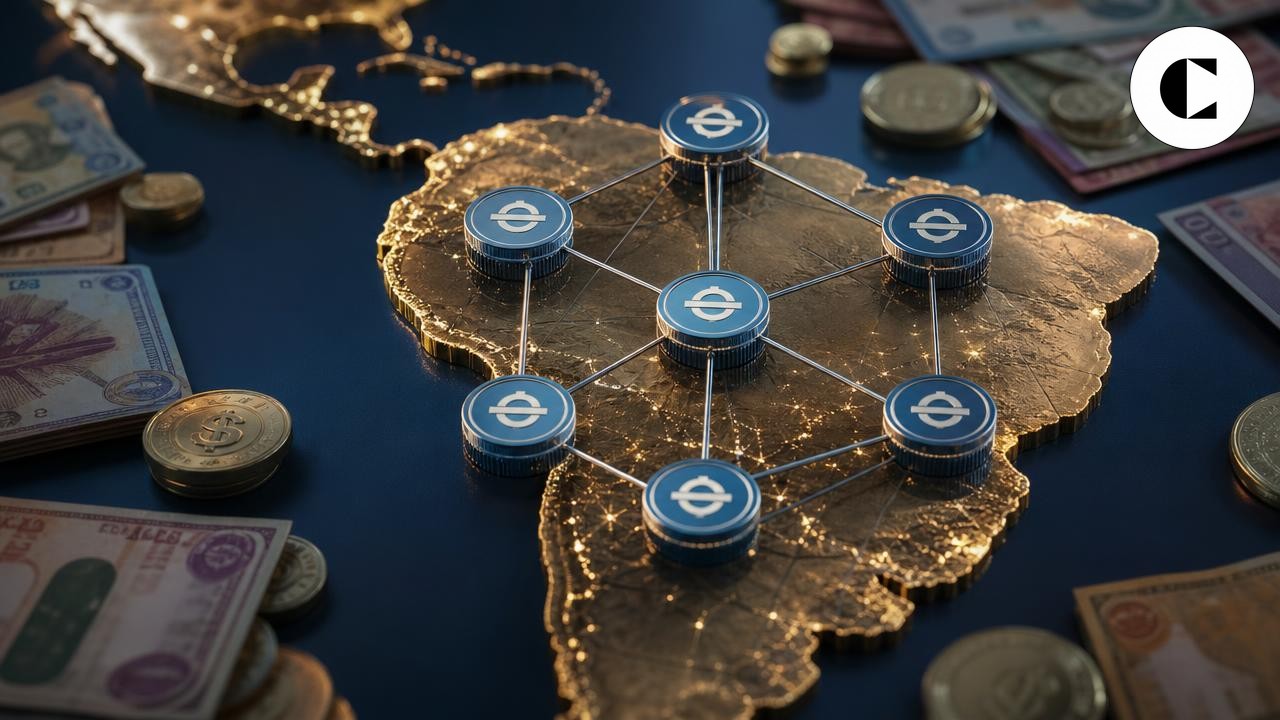
Solana Surges 15% as Alpenglow Speed Tests Collide With Record Network Activity
-
 Written by
Simonas Brazionis
Written by
Simonas Brazionis - Updated 2026-07-06 12:13:20
While the rest of the market clawed for footing, Solana staged the strongest weekly rally among major cryptocurrencies, climbing roughly 15% to reclaim the $80 mark.
This time the move came with substance behind it: fresh test results for the network's landmark Alpenglow upgrade and on-chain usage pushing toward yearly highs. After bottoming near $62 in June, SOL is suddenly the token everyone is watching again.
Alpenglow Puts Solana's Speed Claims to the Test
Alpenglow is the most significant consensus overhaul in Solana's history, and the early numbers are striking. Test data showed the network confirming transactions for a majority of validators in about 110 milliseconds, with even the slowest full-network confirmation near 270 milliseconds. Infrastructure firm Helius reported that roughly 65% of staked SOL finalized within 50 milliseconds of the raw network signal.
For context, Solana's current true finality takes around 12.8 seconds; Alpenglow targets 100 to 150 milliseconds — an enormous leap that co-founder Anatoly Yakovenko has said could reach the main network as soon as this quarter. Validators have already backed the change with more than 98% support.
The upgrade also rewrites validator economics by moving voting off-chain, which Helius estimates could slash the minimum stake needed to run a profitable node from about 4,850 SOL, near $800,000, to roughly 450 SOL, about $75,000. If that holds, it would meaningfully widen who can help secure the chain. Readers tracking the network's evolution can find the full context in our guide to Solana.
Usage Is Rising Faster Than Price
What makes this rally different from the failed bounces in March and May is the on-chain backdrop. Daily transactions have roughly doubled since January to around 137.5 million, brushing yearly highs, while active addresses have climbed back toward the 7 million mark.
When activity rises before price does, it suggests people are using the chain for payments, applications and trading rather than pure speculation — historically one of the healthier setups an on-chain chart can show. The signal is directional rather than precise, since raw transaction counts include plenty of low-value and automated activity, but the divergence is hard to ignore.
Technically, SOL has now reclaimed its 50-day moving average near $75 and is testing the 100-day line around $80.54, the exact level that rejected its last two recovery attempts. For active users, faster settlement also raises the stakes around where assets are held, and our roundup of leading DeFi wallets is a useful starting point.
What to Watch
The bullish case is credible but far from settled. Not every expert is convinced Alpenglow's headline speeds are achievable worldwide; researchers interviewed by The Defiant have warned that physics itself limits how quickly data can cross oceans, and that the upgrade's data-relay layer carries real-world unpredictability that test clusters may understate.
Broader market weakness remains the larger threat, since the same ETF outflows and macro pressure weighing on bitcoin can just as easily drag Solana back down.
The immediate line in the sand is that 100-day average near $80.54: a decisive daily close above it would open the door toward $120, while a rejection would echo the failed rallies of earlier this year. With SOL still trading roughly 74% below its all-time high of $293, July shapes up as a decisive test of whether strong fundamentals can finally overpower a weak tape.